Knowledge base

Bilingual blog infrastructure for eCoC operations, approvals, and technical guidance

The blog engine is structured for English and Turkish publishing, category navigation, SEO-grade article pages, and future dataset-driven editorial workflows.

Featured articles

Priority editorial slots for the most relevant regulatory, operational, or technical articles.

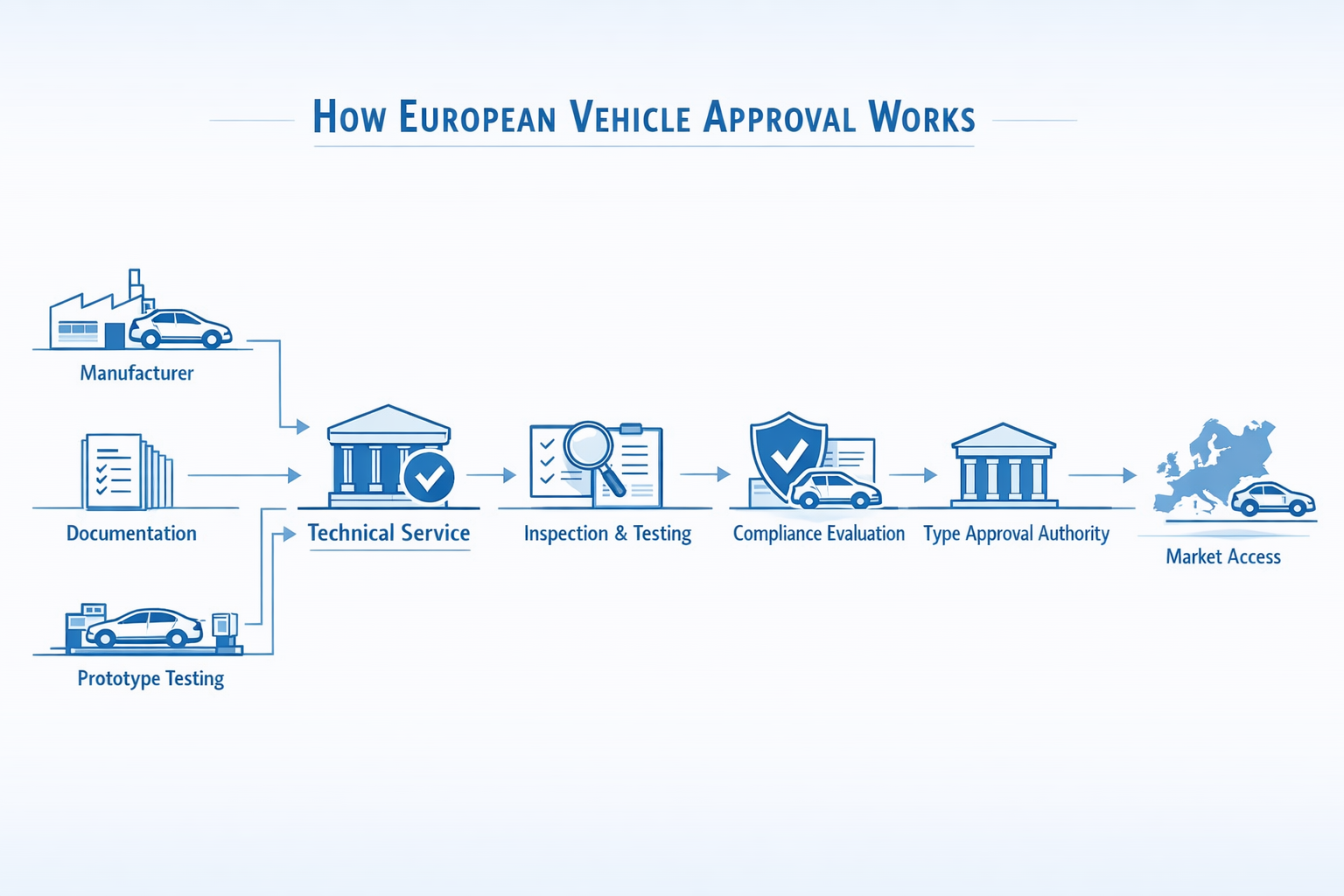
China to EU Vehicle Approval Requirements: What Exporting Manufacturers Should Expect
Regulations17 February 2026

China to EU Vehicle Approval Requirements: What Exporting Manufacturers Should Expect

Learn what China-based manufacturers should expect when preparing for EU vehicle approval, structured conformity data and European market entry.

Read time: 8 min readRead more
US vs EU Vehicle Compliance: Key Differences Manufacturers Must Manage
Regulations23 January 2026

US vs EU Vehicle Compliance: Key Differences Manufacturers Must Manage

Compare US vs EU vehicle compliance and understand why manufacturers must adapt approval logic, data models and release controls when targeting Europe.

Read time: 8 min readRead more

Browse by category

Use the category rail to focus the index on a single editorial lane without leaving the marketing shell.

Regulations

Regulations Category Guide

The Regulations category groups articles around the primary keyword automotive regulation guides so readers and search engines can understand one topic cluster in a structured way. The goal is not just to list posts. It is to show how the same regulatory intent connects to eCoC operations, IVI structures, type approval workflows and broader vehicle compliance governance.

This matters because topical authority depends on cleaner intent separation. A reader may start with a broad query around automotive regulation guides, then move into narrower questions about data coordination, validation, approval documentation or cross-system exchange. By clustering those pages here, the category becomes a controlled navigation layer instead of a passive archive. That improves crawlability, internal link quality and the consistency of the primary keyword signal.

There are currently 6 published articles in this category. The strongest reading path is to move from this category into the pillar articles, then continue into the knowledge hub and authority page for the wider topic architecture. If your goal is to understand how automotive regulation guides fits inside eCoC rollout, vehicle compliance and regulatory data operations, this category page is the right place to start.

Need guidance on Regulations?

Our team can help connect this category to your eCoC rollout, IVI, vehicle type approval and broader compliance infrastructure needs.

Category FAQ

What does the Regulations category cover?

It groups the core and technical guides that support the keyword cluster around automotive regulation guides.

Why is this category page important for SEO?

It improves crawl structure, reduces intent fragmentation and routes readers toward the pillar pages, knowledge hub and authority page.

Which pages should be visited from this category?

Start with the pillar articles, then continue into the knowledge hub, the vehicle compliance authority page and the relevant technical guides.

How does automotive regulation guides relate to eCoC?

The articles in this category show how automotive regulation guides supports eCoC generation, data validation and broader compliance operations.

Who should use this category page?

Manufacturers, homologation teams, regulatory consultants and operations teams working on vehicle compliance can use it as a starting point.

Latest articles

Published articles flow into the latest grid automatically from the dataset.

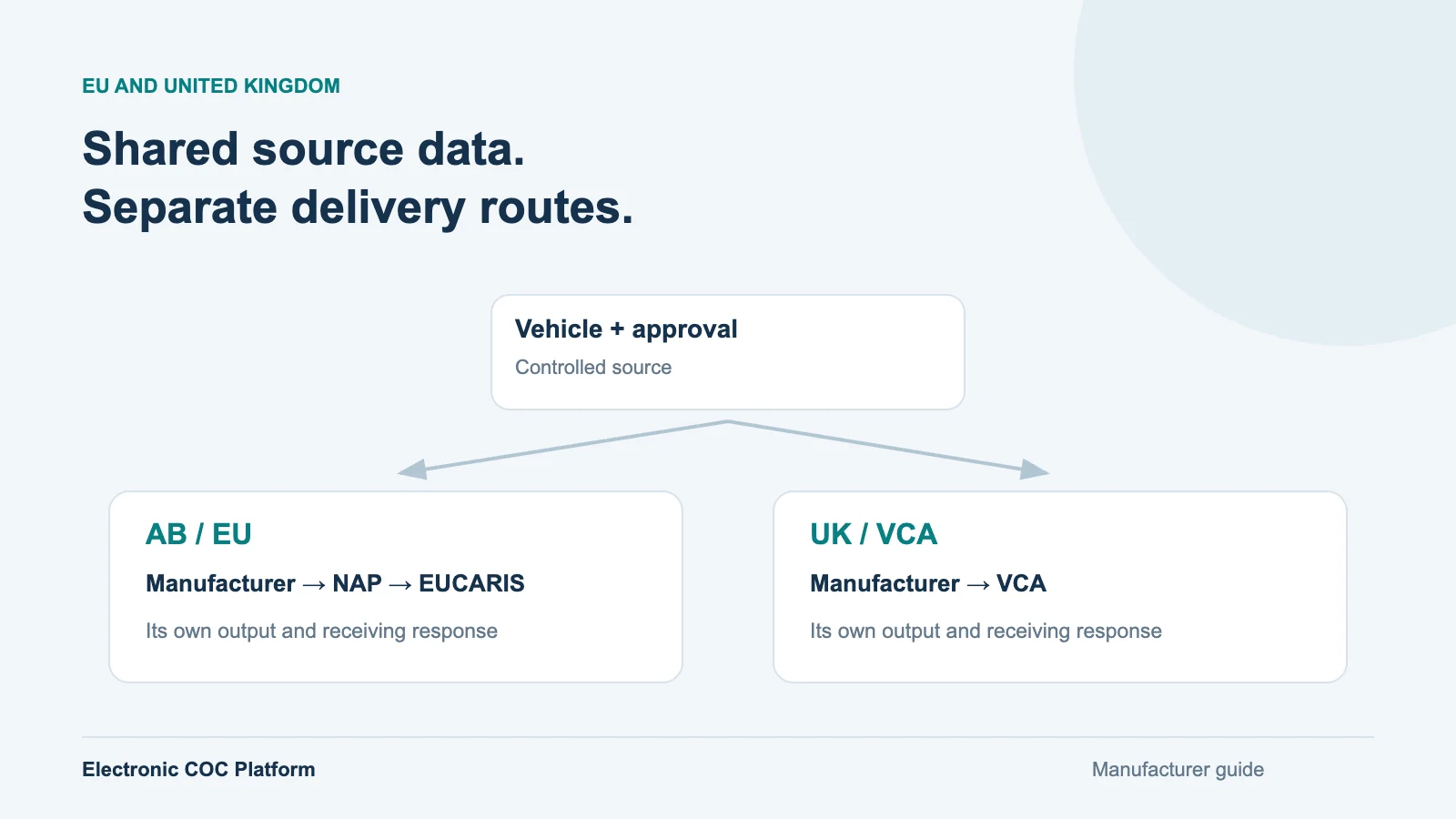
EUCARIS and National Access Points: How Electronic CoC Data Reaches Authorities
Regulations17 October 2025

EUCARIS and National Access Points: How Electronic CoC Data Reaches Authorities

Learn how EUCARIS and National Access Points support electronic CoC data exchange and why trusted upstream vehicle data matters before authority submission.

Read time: 8 min readRead more
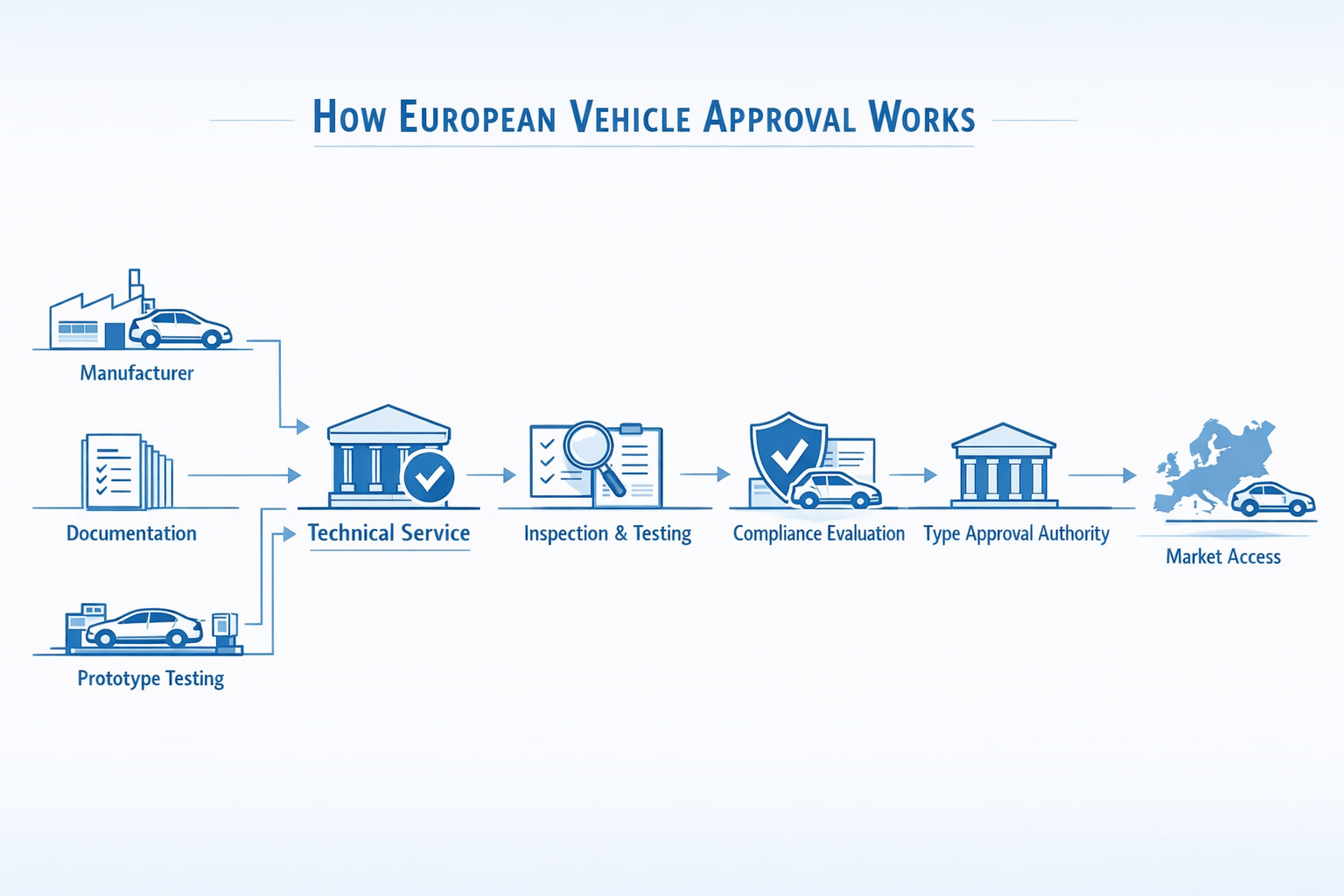
Why Vehicle Approval Documentation Must Remain Consistent
Regulations3 December 2024

Why Vehicle Approval Documentation Must Remain Consistent

Vehicle approval documentation must remain consistent across regulatory systems. Learn why documentation alignment is essential for automotive compliance.

Read time: 6 min readRead more
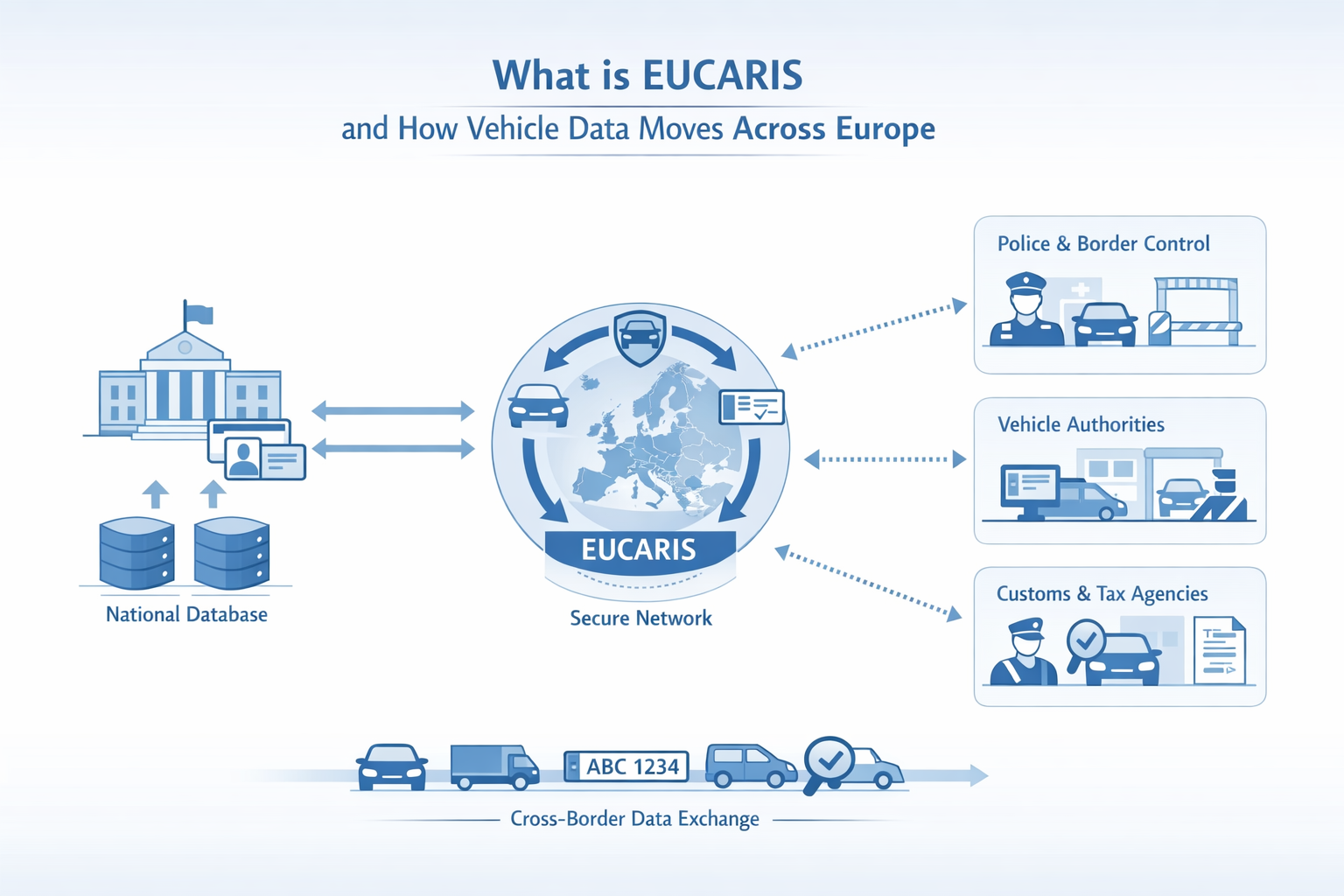
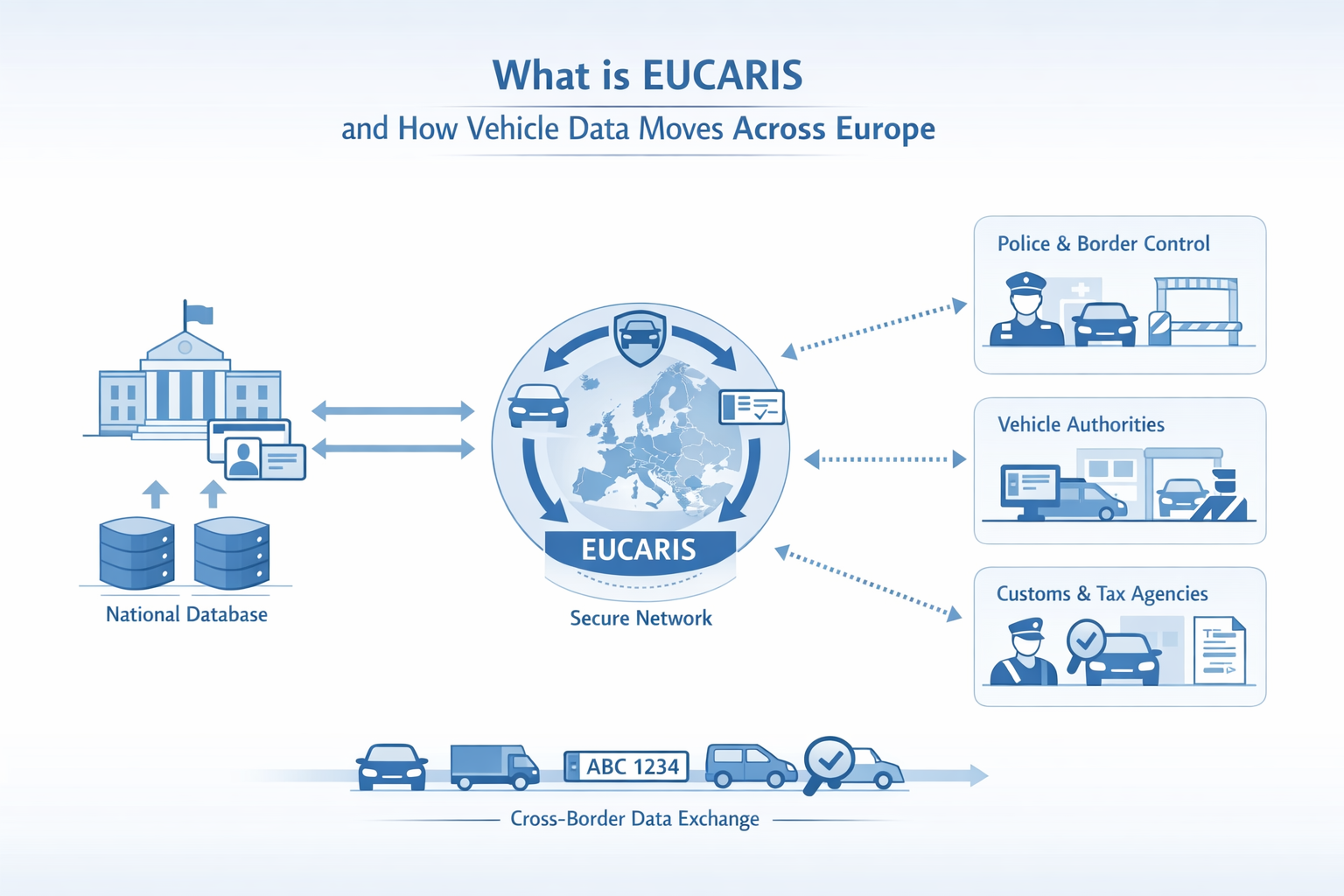
What is EUCARIS and How Vehicle Data Moves Across Europe
Regulations2 August 2024

What is EUCARIS and How Vehicle Data Moves Across Europe

Learn what EUCARIS is and how vehicle regulatory data is exchanged between authorities across Europe.

Read time: 7 min readRead more
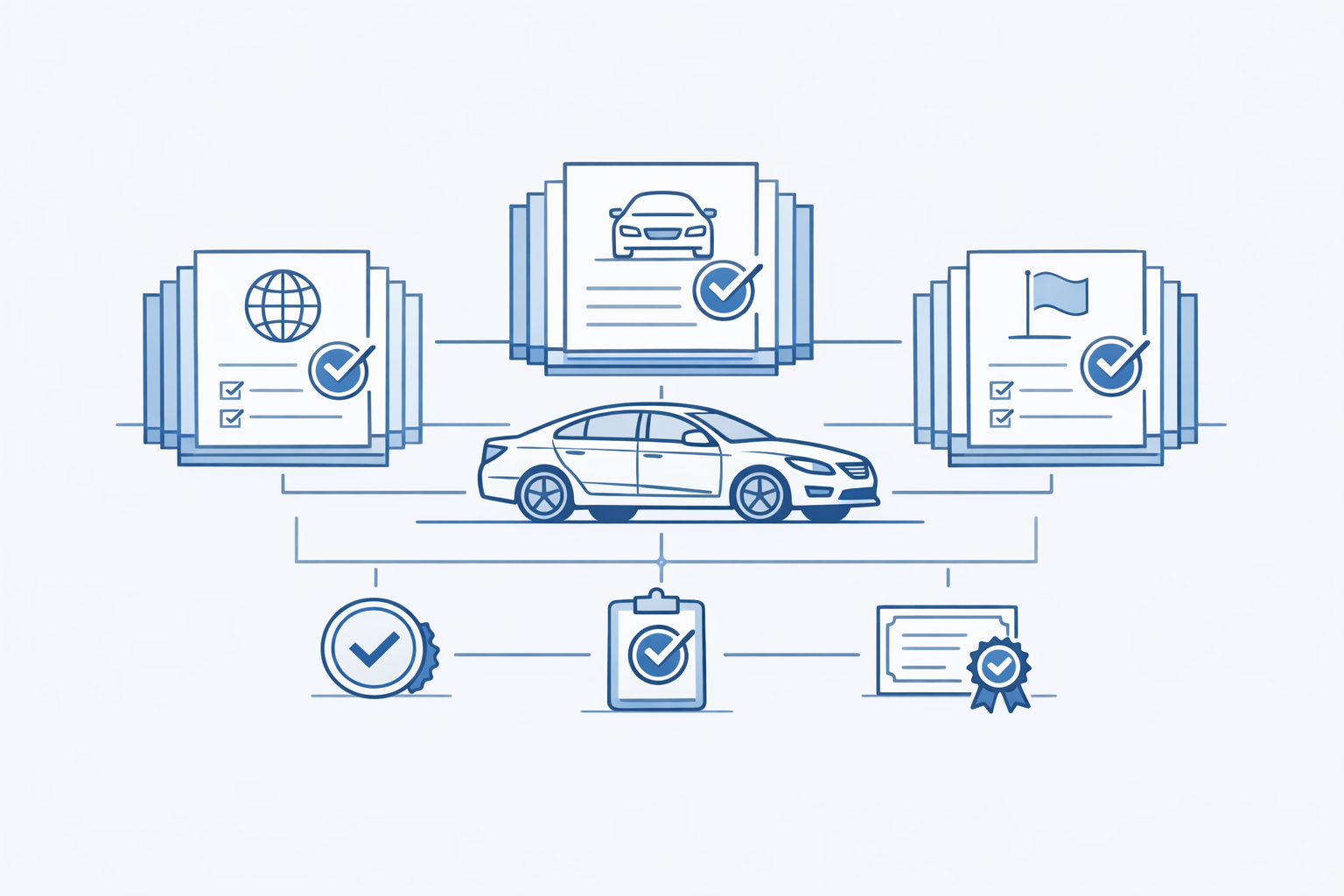
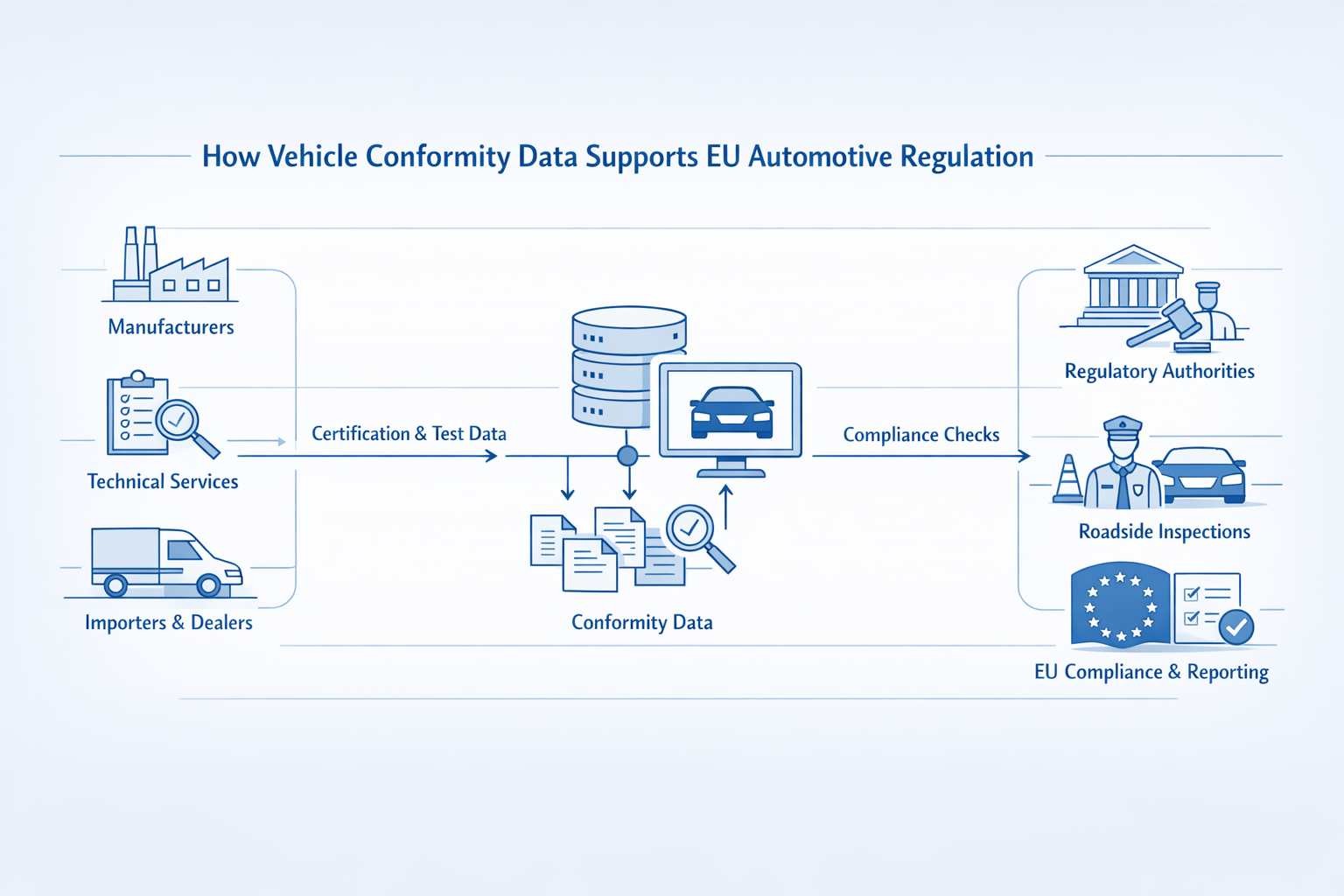
How Vehicle Conformity Data Supports EU Automotive Regulation
Regulations14 June 2024

How Vehicle Conformity Data Supports EU Automotive Regulation

Understand how vehicle conformity data supports European automotive regulation and why accurate regulatory datasets are critical for compliance processes.

Read time: 7 min readRead more

Blog FAQ

What is the purpose of the blog landing page?

It organizes the full article set into featured pillar guides, category clusters, latest publications and entry points into the knowledge architecture.

Which pages should be opened first?

The strongest starting points are the pillar articles, the knowledge hub and the vehicle compliance authority page.

Why are category pages shown on the blog landing page?

Category links reduce crawl depth and help readers move from broad topics into focused sub-clusters.

How does the blog support topical authority?

It connects pillar topics such as eCoC, IVI, EUCARIS and vehicle type approval with deeper technical guides through internal linking.

Can readers move from the blog into contact-ready pages?

Yes. The blog now links directly to the knowledge hub, authority page, sitemap and contact flow.

Contact CTA

Need a clear eCoC next step before you leave?

Tell us what you are trying to solve in one short message. Share your name and email; our team will respond directly with the right next step.

  • Short form
  • Direct team response
  • No certificate or private key request

Use the form here or open the full contact page for more context.

Open full contact page